


4.8 out of 5 Stars
6,700 + Ratings in the Apple App Store
Get our free printable running plan, specifically tailored for beginners
Access exclusive strength & mobility training videos
Overcome common injuries with our expert tips
Join our 12,000+ strong running community
If couch to 5k is too hard - this is the plan for you! This has got me running after injuries and surgeries and starting all over building fitness! Great program and lots of support!

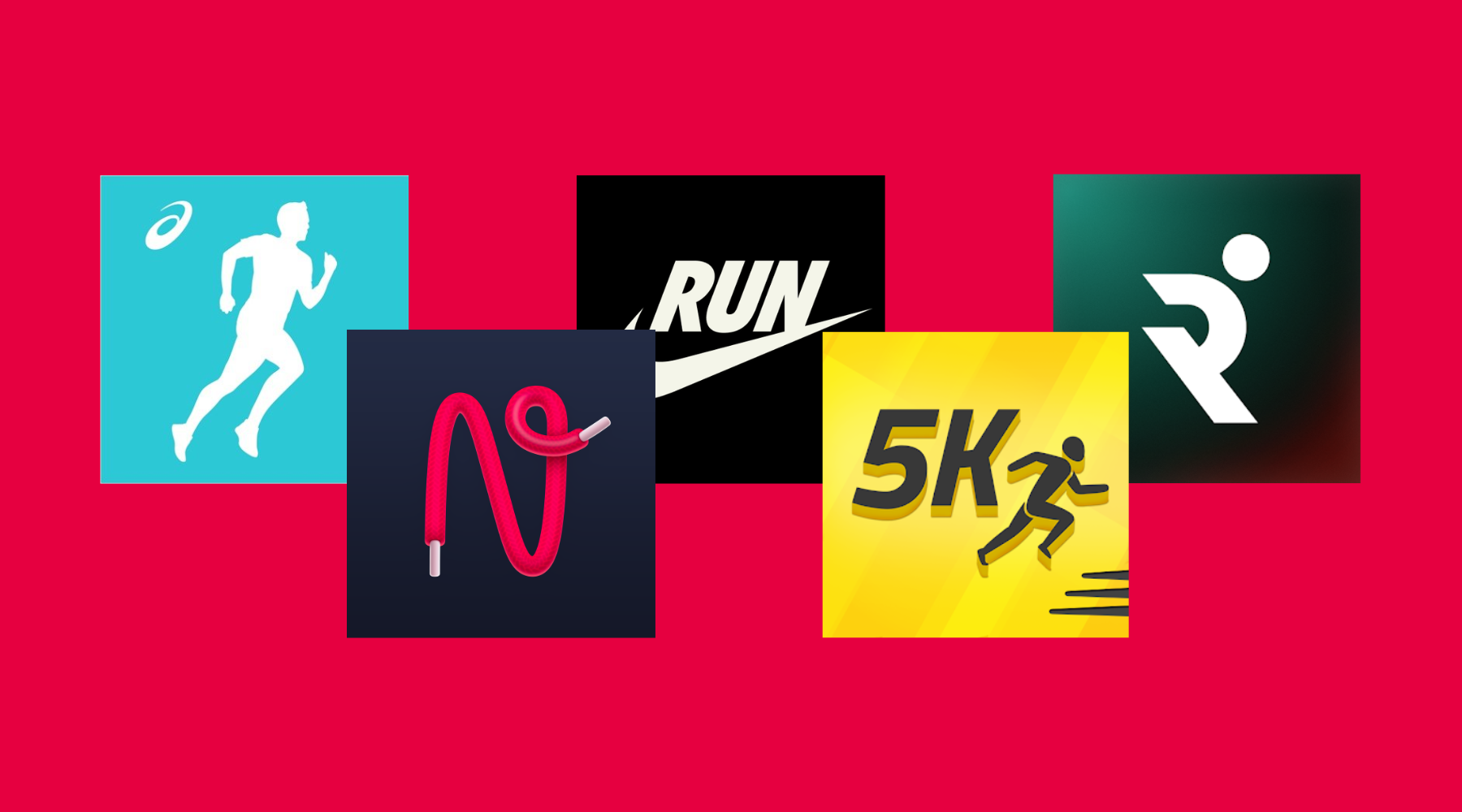
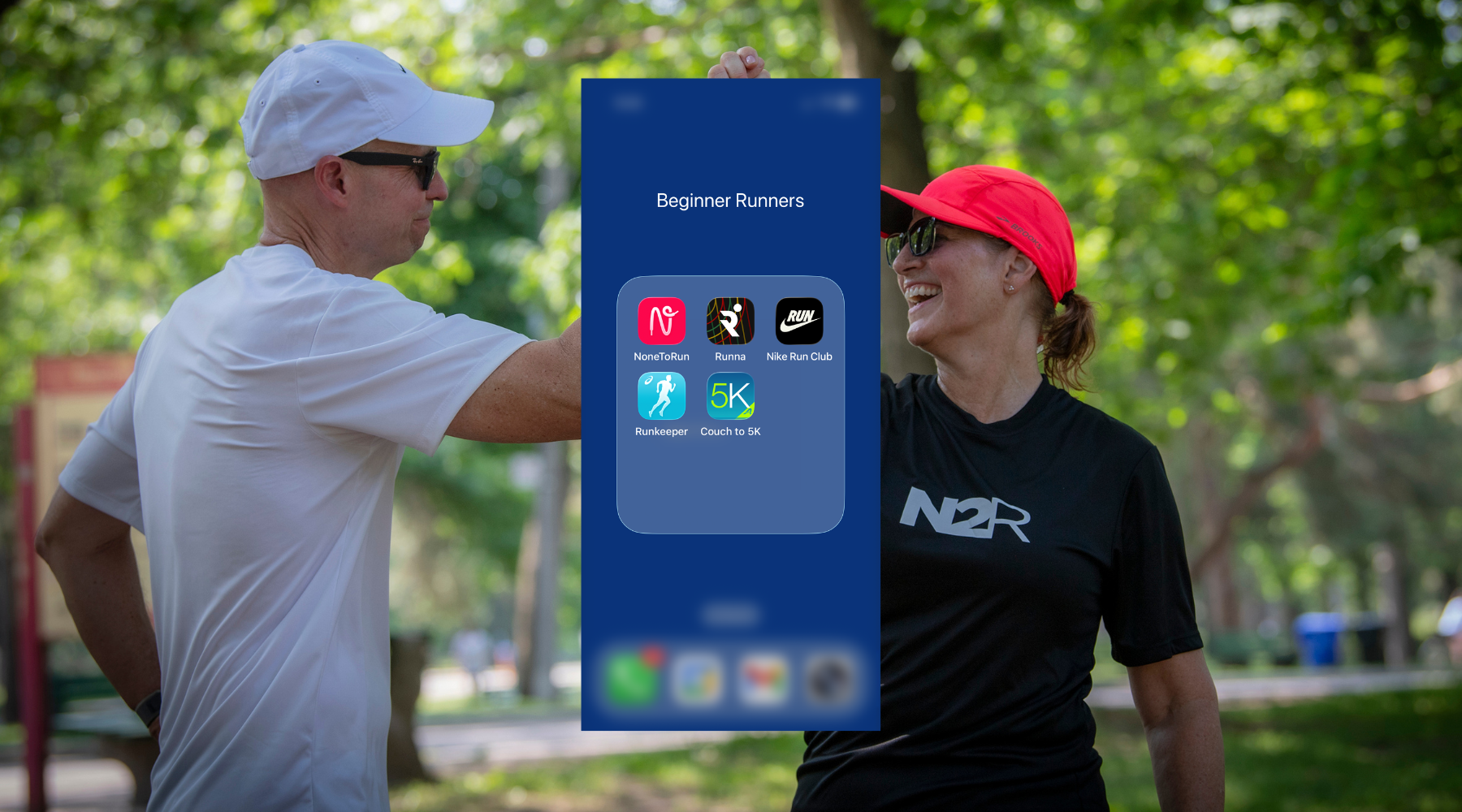
Short answer: The best beginner running app in 2026 depends on where you're starting from. For true beginners with no fitness base, None to Run is the top choice — it's the only major app that starts with 30-second run intervals, includes built-in strength training, and progresses gradually over 12 weeks. Nike Run Club is the best free option, but assumes you can already run 20 minutes continuously. Couch to 5K is the most popular pick for beginners chasing a 5K goal in 9 weeks, though research shows 73% of users don't finish it. Runkeeper suits beginners who want detailed GPS tracking, and Runna is best for "beginner-plus" runners who can already run a few minutes and want structured coaching.
Most beginner running apps progress too fast — and research shows that nearly 3 in 4 people don't finish Couch to 5K.
If you’re starting from zero, you need short run intervals, time-based progressions, strength/mobility, and permission to run slow.
I'm an RRCA-certified running coach. For the past 7 years, I've been building and optimizing None to Run for true beginners — and along the way I've used, tested, and experimented with most of the apps in this comparison. I evaluated each one based on what it actually offers a beginner: starting point, progression speed, walk breaks, and strength work. Completion data comes from peer-reviewed research on Couch to 5K; that data isn't publicly available for the other apps.
Here’s how the top apps stack up:
A 2023 peer-reviewed study published in the International Journal of Environmental Research and Public Health examined a group of beginners following a 9-week version of the Couch to 5K programme. Only 27.3% of participants completed it — meaning almost three-quarters dropped out early.
The researchers found that non-completion was strongly linked to the programme’s rapid weekly progression and the injuries or discomfort that resulted from it.
Why?
Because the early training jumps were too steep — especially in weeks 2–5.
Most beginners quit because:
Success for beginners requires:
Not all apps are built with this in mind.
Before comparing apps, here’s the criteria that actually matter for true beginners:
These factors are heavily supported by exercise adherence research and beginner running injury data.
A new study following more than 5,200 runners found that injuries weren’t caused by increasing weekly mileage too quickly — they happened when a single run suddenly jumped more than about 10% beyond the longest run in the past month.
Those “spikes” led to a sharp rise in overuse injuries.
For beginners, this matters a lot. When you’re still adapting to impact and building strength, even one big leap in continuous running time can overload your body and derail your progress.
That’s why you want a plan that increases your running time in small, predictable steps. Steady progression gives your body time to adapt, keeps you healthy, and makes it easier to stay consistent.
Note: For a deeper dive on how None to Run specifically compares to Couch to 5K — including week-by-week progression charts and the 10% rule — see our full Couch to 5K alternative breakdown.
Scroll horizontally on mobile.
This is one of the most important distinctions — and most beginners never realize it.
Couch to 5K, NRC, Runkeeper, and Runna are built around:
This is why so many beginners feel overwhelmed early.
Only None to Run is designed to build the habit of running first:
Research strongly supports habit-building as the superior long-term strategy — especially for true beginners.

None to Run (link to plan) is the only plan built specifically for true beginners.
It’s perfect if you:
Current price (as of July 9, 2026): $6.99 Monthly or $39.99 yearly
Anyone starting from zero or coming back after a long break/injury.
.png)
Has become synonymous with beginner running — but progresses too fast for most.
A 2023 study found that only 27.3% of participants completed a 9-week version of the Couch to 5K program. Most people dropped out because the weekly jumps were too aggressive for beginners.
C25K includes no strength or mobility, despite the fast progression — a key gap for beginners.
Current price: Varies depending on which Couch to 5K app you use.
Beginners with a strong 5K goal and comfort with intense jumps.
.png)
Polished, motivating, and full of coaching (Coach Bennett is great) — but not built for zero-to-running.
.png)
NRC does not include integrated strength.
Strength/mobility lives inside Nike Training Club, a completely separate app.
So beginners must:
Current price: Free
People who can already jog a few minutes and love guided audio. It's also free which is important for some.
.png)
Feature-rich and familiar. Owned by Asics.
Not included.
Beginners who want app features, GPS, data, and don't mind paying (vs Nike Run Club which is free).
Current price (as of July 9, 2026): $11.99 monthly or $39.99 yearly
.png)
Run/walk to start. Challenging for true beginners. Owned by Strava.
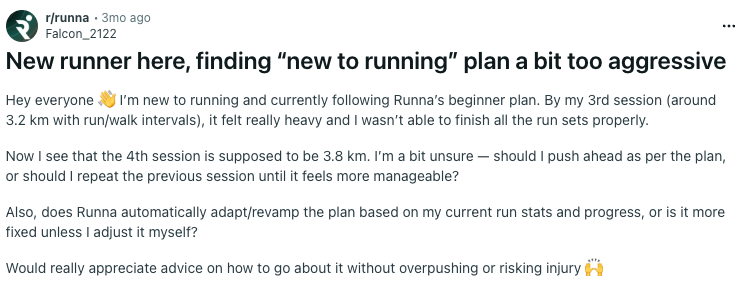


This makes the plan ideal for “beginner-plus” runners.
People who already have some fitness and want coaching structure. Access to the New to Running Plan is free, but you'll need to subscribe to get access to other plans they offer.
Current price (as of July 9, 2026): $19.99 monthly or $119.99 yearly
Ask yourself:
Your answers point clearly to the best app for you.
If you're starting from zero or have failed Couch to 5K in the past: None to Run — the slowest, safest progression with strength training built in.
If you want a free app and can already jog at least 10 minutes straight: Nike Run Club — great guided audio coaching at no cost.
If you want to complete a 5K in 9 weeks: Couch to 5K — the most well-known program, though it progresses fast.
If you're "beginner-plus" and want structured coaching toward a 5K: Runna — coaching-focused with strength work included.
Running success doesn’t come from speed or distance — it comes from consistency.
Choose the app that supports your starting point, not the one that pushes you faster than you’re ready to go.
If you want a gentle, confidence-building path built for true beginners, None to Run is ready for you.
Download the app and start your first week today.
If you're starting from zero — meaning you can't comfortably run for more than a minute — None to Run is built specifically for you. It starts with 30-second run intervals paired with 2-minute walks, and progresses slowly over 12 weeks. Most other apps assume you already have some base fitness.
Yes — for most beginners, a running app is worth it. The biggest reason beginners quit running isn't lack of effort; it's not knowing how much to run, when to walk, and how fast to progress. A good app removes all of that guesswork. You don't need a fancy GPS watch or a coach — just a plan that meets you where you are. Free options like Nike Run Club work if you have some base fitness, but if you're truly starting from zero, a beginner-specific app like None to Run will save you from the most common cause of quitting: doing too much, too soon.
Of course. Plenty of people learn to run without one. But here's the catch: most beginners who try this end up either running too hard (and getting injured) or running too inconsistently (and quitting). An app helps with two things — pacing and consistency. It tells you when to walk, when to run, and how to progress week to week. If you're disciplined, motivated, and already comfortable being uncomfortable, you can do it without an app. If you've started and stopped before, an app is usually the missing piece.
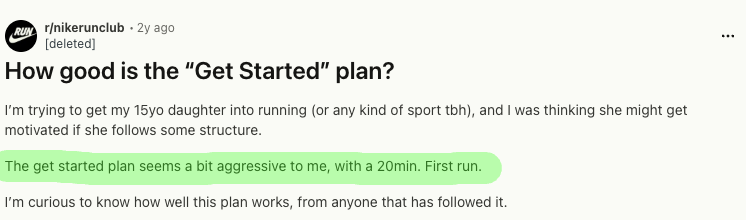
If you need a fully free app, Nike Run Club is the strongest option — the audio coaching is excellent and there's no paywall. The catch is that NRC's Get Started Plan assumes you can already run for 20 minutes continuously on day one, so it's not built for true beginners. Most paid beginner apps (None to Run, Runkeeper, Runna) offer free trials of 7–14 days, which is usually enough time to know if the plan fits you. None to Run is $6.99 monthly with a 7-day free trial.
For some people, yes. A 2023 peer-reviewed study found that only 27.3% of participants completed a 9-week version of C25K. The plan progresses quickly — you're running for 3 minutes straight by week 3 — which is a big jump for someone whose body hasn't yet adapted to the impact of running. If C25K has felt too hard, that's not you failing. It's a mismatch between the plan and your starting point.
Honestly, no — not if you're starting from zero. The Get Started Plan asks you to run for 20 minutes continuously on day one. It's a great free app once you can already jog 15–20 minutes, but it skips the foundation-building most beginners need.
Three big differences. First, None to Run is 12 weeks instead of 9, so progressions are smaller and more manageable. Second, it starts with 30-second runs instead of 1-minute runs, which makes a real difference when you're just starting out. Third, strength and mobility work is built right into the plan — C25K doesn't include any.
Only None to Run and Runna include strength and mobility work directly in the plan. Nike Run Club separates strength into a different app (Nike Training Club). Couch to 5K and Runkeeper don't include any strength work at all — which is a notable gap, since strength training helps prevent the injuries beginners are most prone to.
Yes — None to Run, Nike Run Club, Runkeeper, and Runna all have Apple Watch support. With None to Run, you can leave your iPhone at home and run with just your watch.
It depends on the plan. Couch to 5K aims to get you there in 9 weeks. Runna's New to Running plan targets 8 weeks. None to Run takes 12 weeks to build up to 25 minutes of continuous running, which is roughly a 5K for most people. A longer plan isn't a worse plan — it usually means fewer injuries and a higher chance of actually finishing.
That's completely okay, and more common than you'd think. With None to Run, you can repeat week 1 as many times as you need before moving on. There's no rush. The goal is to build the habit first — speed and endurance come later.
The 80% rule — sometimes called 80/20 running — means about 80% of your running should be easy, and only about 20% should be harder or faster. "Easy" means a comfortable, conversational pace where you could speak a short sentence without gasping.
Here's the thing: most beginners do the exact opposite. They run every session too hard, feel wrecked, and either get hurt or give up. As a new runner, you don't need to worry about the fast 20% at all yet. Keep nearly all of your running easy and relaxed. Use the talk test — if you can't get a few words out, slow down or take a walk break. Progress slower than you think you need to. The easy running is what builds both the habit and the fitness.
Start with run/walk intervals, not continuous running. The most common beginner mistake is trying to run non-stop before your body is ready for it — that's what leads to sore knees, burnout, and quitting in week three.
Begin with short bursts of running — as little as 30 seconds — separated by walking breaks, and keep the effort easy enough to hold a conversation. Aim for about three short sessions a week with rest days in between, and add a little strength and mobility work to protect against injury. You don't need fancy gear or a GPS watch to start — just comfortable shoes and a simple plan that meets you where you actually are. Be kind to yourself, repeat a week whenever you need to, and let consistency do the work.
Runna is better suited for "beginner-plus" runners — people who can already run for a few minutes without stopping. The New to Running plan starts with 1-minute run intervals and progresses fairly quickly. If you're truly starting from scratch, you'll likely find it too aggressive in the first couple of weeks.
Not necessarily. Nike Run Club is completely free. Most other apps — including None to Run, Runkeeper, and Runna — offer free trials so you can try before you commit. None to Run is $6.99 monthly or $39.99 yearly, and you can try it free for 7 days.
None to Run was specifically designed as the gentler alternative for people who've tried C25K and found it too hard. The shorter intervals, longer walk breaks, and slower week-to-week progression are the difference. If C25K didn't work for you, the issue likely wasn't your effort — it was the pacing.
You don’t need to be fast, fit, or fearless to become a runner.You just need a simple plan, an encouraging community, and the consistency to keep showing up — and None to Run gives you all three.

6,700 + Ratings in the Apple App Store

Time is hard to come by. Kids, work, and other commitments can get in the way. You need a plan that's easy to follow and can work around you, not the other way around.

You look "weird" when you run. You’re “not” a runner. You’re too “slow” or too "Old." We're here to tell you right here, right now, that you’re wrong. You only *think* these things because it's new and you feel uncomfortable. That'll change with consistency and time. You are a runner!

It may have been hard previously, but it doesn't have to be – now, you'll be given the tools and the knowledge to succeed. We’re doing things differently in order to see different results.

Running when you aren't ready or without the proper training can hurt, leaving you with nagging injuries that never seem to clear up. We ease you in, giving you the strength and conditioning you need to make sure your running doesn't come with pain.